
Card Skimming: What It Is, How It Works, & How To Protect Yourself
Card skimming can happen during everyday purchases without you realizing it. Learn how criminals steal card information, how to reduce your risk, and what to do if you spot unauthorized transactions.

Key Takeaways
- Card skimming devices secretly capture debit and credit card information during legitimate transactions.
- ATMs, gas pumps, and self-checkout terminals are common targets for card skimming.
- Using tap-to-pay, chip transactions, and mobile wallets can help reduce your risk.
- Monitoring your accounts regularly can help you spot unauthorized transactions sooner.
- If you suspect your card has been skimmed, contact your financial institution immediately and report any unauthorized activity.
Imagine filling up at a gas station, paying at the pump, and driving off, only to find unfamiliar charges on your account a few days later. It’s a frustrating reminder that payment fraud can happen during everyday transactions.
Here’s what you need to know about card skimming, where it happens, and how to protect yourself.
What’s Card Skimming?
Card skimming is a type of payment fraud in which criminals use a device called a skimmer to copy information from a debit card, credit card, or ATM card. The device is often attached to or placed over a legitimate card reader, allowing it to capture card data when someone swipes or inserts their card.
Unlike physical theft, card skimming doesn’t require someone to take your wallet or card. You can keep your card in your possession and still have your information stolen.
Card skimming is also different from hacking, which involves breaking into a computer system, network, or online account. Skimming typically relies on capturing card information through a physical device, though criminals may use other tools to steal additional information, such as your Personal Identification Number (PIN).
Fraudsters can use stolen card data to make unauthorized purchases, create counterfeit cards, or sell the information to other criminals. If they also obtain your PIN, they may be able to make ATM withdrawals or debit transactions.
How Does Card Skimming Work?
Card skimming often happens without the cardholder realizing anything is wrong. Because the device can collect your information while a legitimate transaction takes place, you may not notice a problem until unauthorized activity appears on your account.
Here’s how the process generally works:
Step 1: A Criminal Installs A Skimmer
A criminal attaches a small device to or inside a legitimate card reader. These devices are designed to blend in with the original equipment, making them difficult to spot.
Skimmers can target ATMs, gas pumps, and other payment terminals that accept card payments. Some are placed over the original card slot, while others are installed inside the machine. Because the device may look like part of the terminal, customers might not notice anything unusual.
Step 2: You Use Your Card To Make A Payment
When you swipe your card through a compromised reader, the skimmer can capture information stored on the magnetic stripe. In many cases, the payment terminal still processes your transaction as usual, so you can complete your purchase without knowing your information has been copied.
This is what makes card skimming particularly tough to detect. Your card stays in your possession, and you may not see any immediate signs of fraud.
Step 3: Your PIN May Be Captured Separately
If criminals also want to obtain your PIN, they will use additional methods alongside the skimmer. These can include hidden cameras aimed at the keypad, fake keypads placed over the original, or someone watching as you enter your number.
The stolen card information and PIN can give criminals more opportunities to misuse your account, particularly if they can create a counterfeit card or use the information to make unauthorized withdrawals.
That’s why it’s important to cover the keypad whenever you enter your PIN, even if the card reader looks normal.
Step 4: Criminals Retrieve & Use The Stolen Information
Once the information has been captured, criminals need to retrieve it. Depending on the device, the stolen data may be stored for later collection or transmitted wirelessly.
Criminals may then use the information to create counterfeit magnetic stripe cards, attempt unauthorized transactions, or sell the stolen data to other criminals. The type of fraud they can commit depends on what information they’ve obtained and the security measures in place.


Card Management
Monitor your A+FCU debit card transactions to respond quickly to suspicious activity. Set transaction alerts, instantly disable your card, manage your PIN, and more.
Where Does Card Skimming Most Commonly Happen?
Card skimming can happen anywhere criminals can tamper with a payment terminal. However, some locations may be more vulnerable because their card readers are unattended or receive limited monitoring. Knowing where skimmers may be found can help you stay alert when making everyday purchases.
ATMs
ATMs are a common target because they allow people to access their money without assistance from a bank employee. Standalone and outdoor ATMs can be especially appealing to criminals because activity around the machines isn’t closely monitored.
Gas Stations
Pay-at-the-pump card readers can be easier to tamper with because criminals can pose as ordinary customers. Someone could pull up to a pump, appear to be filling their tank like everyone else, and attach a skimming device in the process.
Self-Checkout Machines
Self-checkout terminals at grocery stores, big-box retailers, and convenience stores give customers direct access to payment readers. Criminals may take advantage by attaching devices that blend in with the original equipment.
Parking Meters
Parking meters are often unattended and located along public streets, in downtown areas, and near tourist attractions. Their placement in open, public spaces can give criminals opportunities to tamper with the machines when few people are paying attention.
Vending Machines
Card-enabled vending machines are self-serve, often unattended, and usually located in isolated areas, such as laundry rooms, office breakrooms, or transit stations. Because of this, criminals have plenty of time to tamper with them without being noticed.
What Information Can Criminals Steal Through Card Skimming?
What criminals are able to steal depends on the type of skimming device used and how it’s set up. A skimmer that reads magnetic stripe data may collect sensitive information stored on your card such as your:
- Name
- Card number
- Card’s expiration date
Criminals may also install a hidden camera or fake keypad to capture your PIN. With stolen card data, criminals can create counterfeit cards, while a stolen PIN can help them make unauthorized withdrawals or access your account.
Traditional card skimming doesn’t automatically give criminals access to your entire financial profile. It also doesn’t typically reveal your Social Security number or online banking password. However, criminals may obtain additional personal information through separate scams, data breaches, or other methods.
Because different types of fraud can overlap, don’t assume your other information is safe if you notice suspicious card activity. Contact your financial institution to determine whether you need to take additional steps to secure your accounts.
A+ Mobile App
Take your accounts on the go and manage your money wherever you are. Get the A+ Mobile App to take advantage of our helpful financial tools.
Warning Signs Of A Card Skimmer
Card skimmers are hard to spot, but certain signs can indicate that a card reader has been tampered with. Before swiping or inserting your card, take a moment to inspect the reader and surrounding area for anything unusual.
Physical Signs
Look for these signs of tampering before using a card reader:
- Loose or bulky card reader: A reader that wiggles, sticks out, or looks poorly fitted could have a device attached to it.
- Unusual attachments: Look for unfamiliar components around the card slot, keypad, or nearby surfaces. A hidden camera may be aimed at the keypad to record PIN entries.
- Altered keypads: A keypad that looks thicker than normal, doesn’t fit properly, or differs from the original equipment could have an overlay designed to capture your PIN.
- Signs of tampering: Scratches, loose or damaged parts, or glue residue around the card slot or keypad can suggest that someone has altered the machine.
- Broken security seals: At gas stations, check for damaged, missing, or altered security seals on pump panels.
- Differences between machines: Compare the card reader with nearby machines of the same type, such as other gas pumps or self-checkout terminals. Differences in size, color, shape, or placement could warrant a closer look.
Behavioral Signs
Some warning signs involve how a card reader or payment machine behaves rather than how it looks:
- Unusual resistance: If your card is difficult to insert or remove, or the reader feels different from what you’re accustomed to, consider using another machine.
- Unexpected errors: If a machine behaves strangely or repeatedly fails during a transaction, stop and use another reader.
These signs don’t always mean a skimmer is present, but it’s better to be safe than sorry, especially because some skimming devices are installed inside machines and aren’t visible during a basic inspection.
If a card reader looks suspicious or behaves unusually, don’t use it. Choose another machine or payment method and notify the business or machine operator so they can investigate.
Card Skimming vs. RFID Skimming: What’s The Difference?
Both types of skimming involve stealing payment information, but they work differently.
Traditional card skimming uses a physical device placed on or inside a card reader, such as an ATM or gas pump, to copy your card data when you swipe or insert your card.
RFID skimming is an attempt to wirelessly read information on a contactless card using a nearby reader. Depending on the card’s technology, a wireless read may expose details such as your card number and expiration date.
However, capturing card information through RFID skimming doesn’t necessarily mean criminals can use it to make fraudulent purchases. Modern contactless payment cards use security features, including one-time transaction-specific codes, that make it harder for criminals to reuse captured information to create counterfeit cards or make unauthorized purchases.
How To Protect Yourself From Card Skimming
While card skimming can be challenging to detect, you don’t have to stop using your debit or credit card to reduce your risk. A few simple precautions can help protect your payment information and make it harder for criminals to steal.
Use Tap-To-Pay Or Mobile Wallet
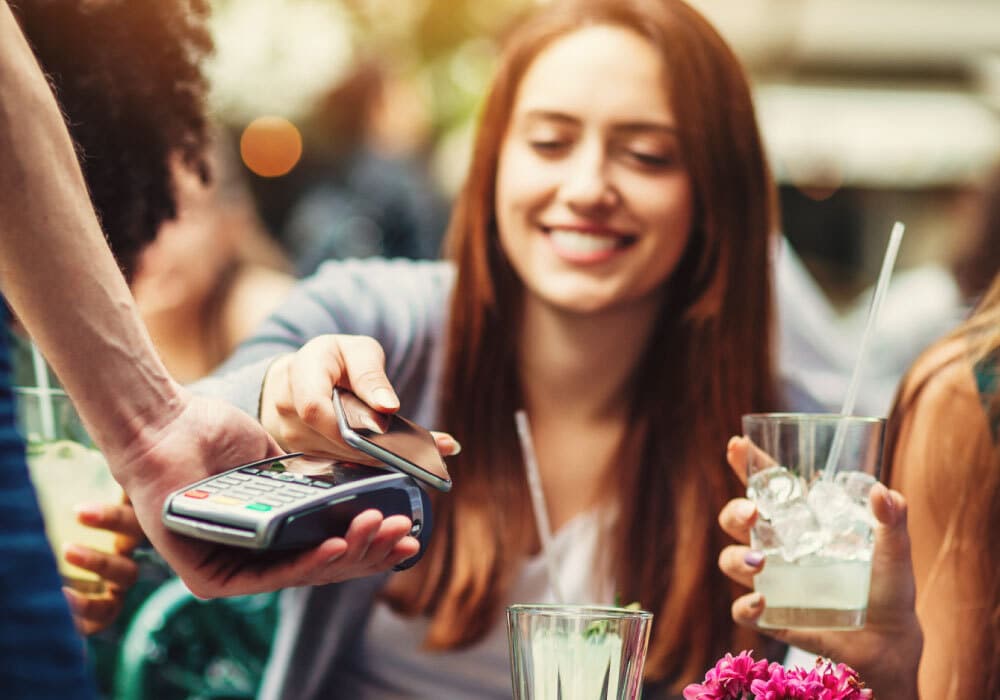
Whenever possible, use contactless payments instead of swiping or inserting your card. Tap-to-pay transactions use security features – like a unique, one-time code – that help protect your payment information.
Mobile wallets add another layer of protection by sending a digital token to the payment terminal instead of your actual card number.

Mobile Wallet
Digitize your A+FCU debit card for a fast, secure, and convenient checkout using your smartphone, tablet, or smartwatch.
Use Your Card’s Chip When Possible
If tap-to-pay isn’t available, insert your chip-enabled card rather than swiping the magnetic stripe.
EMV chip technology creates transaction-specific data, making it more difficult for criminals to use copied chip transaction information to create counterfeit cards. A chip card isn’t immune to every type of fraud, but chip transactions generally offer stronger protection against counterfeit-card fraud than magnetic stripe transactions.
If a terminal repeatedly asks you to swipe your card after a chip transaction fails, consider using another payment method or asking the merchant for assistance.
Inspect Card Readers Before Using Them
Before inserting or swiping your card, take a few seconds to inspect the payment terminal for signs of tampering, such as loose parts, unusual attachments, differences in color or design, or keypads that look different from the original equipment. You can also compare your terminal with nearby card readers.
If something seems suspicious, use another machine and notify the business or operator. Keep in mind that a visual inspection can’t guarantee a machine is safe, so continue to monitor your accounts even when everything looks normal.
Choose ATMs & Gas Pumps Carefully
Where you use your card can make a difference. Whenever possible, choose ATMs inside a branch or in well-lit areas with security cameras or staff who regularly monitor them.
At gas stations, choose a pump close to the store and within the attendant’s line of sight. Look for visible security seals on the pump’s access panel, if present, and avoid using a pump if a seal appears broken or tampered with. If you’re unsure about the pump’s security, consider paying inside instead.
Keep in mind that even machines in monitored locations can be compromised. Choosing a more visible location can help reduce your risk, but it’s still important to inspect the reader prior to using it.
Protect Your PIN
When entering your PIN at an ATM or checkout terminal, shield the keypad with your free hand to prevent hidden cameras from recording your entry. Never share your PIN with anyone and don’t enter it on a card reader that looks suspicious.
Enable Fraud Alerts
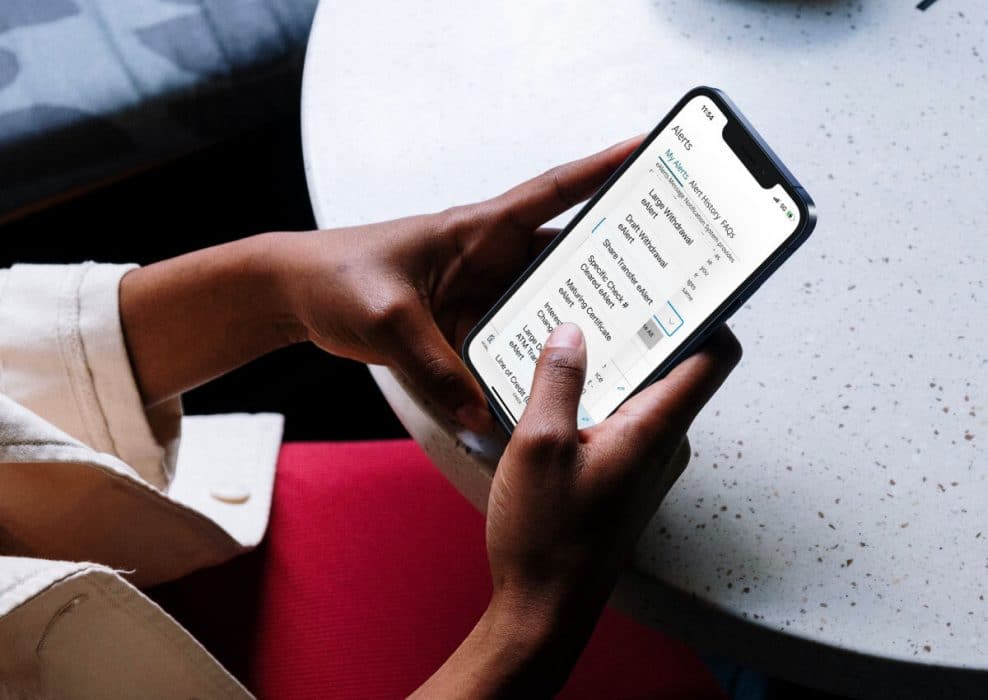
Along with checking your accounts regularly, set up fraud alerts offered by your financial institution. Depending on the options available, you may be able to receive notifications by text, email, or push notification when certain transactions occur, such as purchases, withdrawals, or transactions above a specified amount.
These alerts can help you identify potentially fraudulent activity sooner, so you can contact your financial institution quickly if something looks wrong.
eAlerts
Help spot potential fraud with real-time notifications by text or email for activity such as large withdrawals, low balances, A+ Online Banking access, and more.
What Should You Do If Your Card Was Skimmed?
Discovering that your card information may have been stolen can be stressful, but acting fast can help protect your account and limit potential losses.
1. Contact Your Financial Institution
As soon as you suspect your card information may be at risk, contact your financial institution immediately – even if you haven’t noticed any suspicious transactions. Explain what happened and ask what steps you should take to secure your account.
2. Lock Or Replace Your Card
If you’re able to temporarily lock or disable your card through online or mobile banking, do it right away. You may also need to cancel your card and request a replacement with a new card number. Canceling the old card helps prevent criminals from using the stolen card information to make additional unauthorized transactions, since attempts to use the canceled card should generally be declined.
3. Review Your Recent Transactions
Check your recent account activity for unfamiliar purchases, withdrawals, or other transactions you don’t recognize. Pay attention to small test charges, duplicate charges, or purchases from unfamiliar locations. Report any unauthorized transactions to your financial institution promptly, no matter how small, and keep a record of the activity you report.
4. Change Your PIN
If you suspect your card has been skimmed, change your PIN as a precaution, especially if you used it at the terminal you’re concerned about. If you use the same PIN for other cards or accounts, change those PINs, too.
5. Report The Incident
If you find a skimming device, notify the business or machine operator so they can investigate. If you believe you were a victim of fraud, you can report it to the Federal Trade Commission (FTC) at ReportFraud.ftc.gov. You can also contact local law enforcement if you believe a crime has occurred. If you suspect your personal information has been used for identity theft, visit IdentityTheft.gov for guidance.
How Financial Institutions May Help Protect You
In addition to you taking steps to protect your card information, your financial institution may offer tools and services to help you detect suspicious activity and respond to potential fraud. Depending on the institution and your account, these may include:
- Fraud monitoring: Transactions are reviewed for unusual patterns or activity that could signal fraud.
- Transaction alerts: Text or email notifications can help keep you informed about certain purchases or other account activity.
- Card controls: Online or mobile banking tools may allow you to temporarily lock your card or manage certain card settings.
- Fraud support: Assistance with reporting unauthorized transactions, securing compromised cards, and requesting replacements.
Available protections and features vary by financial institution and account type. Familiarize yourself with the tools your institution offers so you know how to use them if you ever suspect card fraud.
Frequently Asked Questions
Yes, if you swipe the magnetic stripe instead of using the chip.
EMV chip technology provides stronger protection against counterfeit-card fraud than magnetic stripe transactions – so tap or insert your card whenever you can.
It’s much harder. Contactless transactions use security features such as transaction – specific codes, and mobile wallets send a digital token instead of your actual card number. No payment method is risk-free, but tapping is a safer choice than swiping.
A traditional skimmer captures card data, not your PIN. However, criminals may use hidden cameras, fake keypads, or other methods to capture your PIN separately.
Both can be compromised by skimming. Credit card fraud doesn’t take money directly from your checking account, while debit card fraud can tie up your funds until the issue is resolved. Protections vary by card and situation, so report suspicious activity promptly.
It varies. Skimmed data is sometimes held before it’s used, so fraud can show up days or weeks after the card was skimmed. Check your accounts regularly and set up alerts so you catch it sooner.
It depends on the circumstances, applicable consumer protection laws, and your financial institution’s policies. Report unauthorized transactions as soon as possible and follow your financial institution’s instructions for disputing them.
Final Thoughts: Stay Alert Without Being Alarmed
Card skimming is a real threat, but you don’t have to overhaul how you pay to stay protected. A few simple habits, such as inspecting payment terminals, choosing chip or contactless payments, covering your PIN, and monitoring your accounts regularly, can help reduce your risk.
Payment technology continues to evolve, and staying informed can help you make safer choices when using your debit or credit card.
If you notice suspicious card activity or think your information has been compromised, contact your financial institution right away. Acting quickly helps secure your account, address unauthorized transactions, and give you greater confidence in how you manage your money.

Fraud Protection
You work hard for your money. We want to help protect it by sharing tips to help recognize scams, deter fraudsters, and take appropriate action if you fall victim.
Related Articles
Card Cracking: Fraud That Makes You An Accomplice

Card Cracking is a type of account fraud that's increasing in frequency. It’s a problem that tends to impact college students, young adults, & military.
Zelle® Fraud Protection: Credit Union Best Practices For Peer-to-Peer Payments

Does Zelle® offer fraud protection? Discover what’s covered, what’s not, and how to safely use peer-to-peer payment apps like Zelle®, Venmo, and Cash App.
How To Protect Personal Information Online: Tips From A Credit Union

Learn how to protect your personal information online with tips from A+FCU. Avoid scams, spot threats, and stay safe online.